

Are self - repairing doors more expensive to maintain than regular doors?
Jul 19, 2026
Leave a message
Hey there! As a supplier of self-repairing doors, I often get asked this question: Are self-repairing doors more expensive to maintain than regular doors? Well, let's dive right in and break it down.
First off, let's understand what self-repairing doors are. Self-repairing doors, like the PVC Self Repairing Door, are designed with special features that allow them to bounce back from minor impacts. These doors are commonly used in industrial settings where there's a high chance of collisions from forklifts or other equipment. When something hits a self-repairing door, it doesn't stay damaged. Instead, the door can realign itself and continue to function as normal.

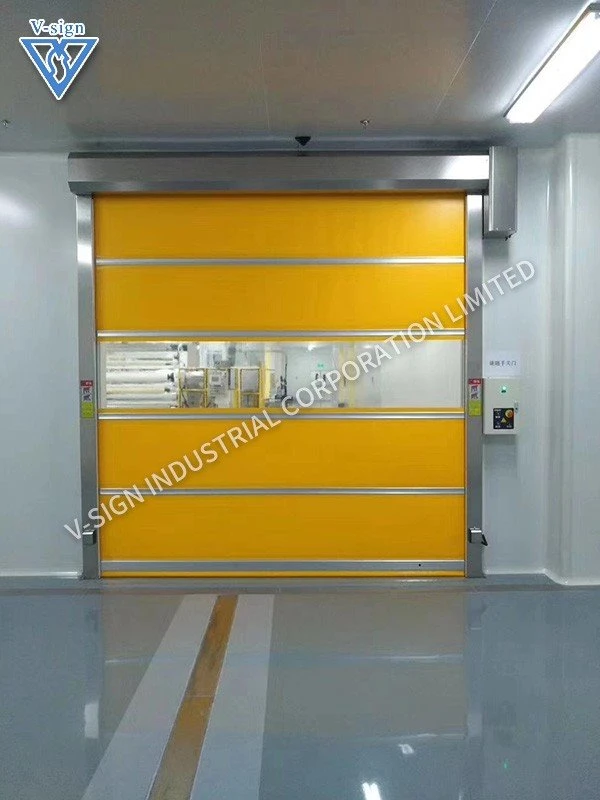
Now, regular doors. They come in all shapes and sizes, but they usually don't have that self-fixing ability. So, when a regular door gets hit, it might dent, scratch, or even break completely. And that's where the maintenance costs start to stack up.
Let's talk about the initial cost of these two types of doors. Self-repairing doors generally have a higher upfront price. This is because of the advanced technology and materials used to make them self-repair. But that doesn't mean they'll be more expensive in the long run. When you think about maintenance, self-repairing doors have a huge advantage.
For regular doors, every little scratch and dent can turn into a big problem. You might need to hire a professional to fix it, which can be costly. And if the damage is severe, you might even have to replace the entire door. These replacement and repair costs can add up quickly over time.
Take, for example, a High Speed PVC Rolling Up Door. If it's a regular one and gets hit by a piece of equipment, there's a good chance it'll need some form of repair. This could involve replacing panels, adjusting the tracks, or fixing the motor. All of these repairs cost money, not to mention the downtime of the door while it's being fixed.
On the other hand, a self-repairing version of the same door can handle those minor impacts without any human intervention. This means no repair bills and no lost productivity due to a broken door. You save on both the repair costs and the time spent waiting for the door to be fixed.
Another aspect to consider is the frequency of maintenance. Regular doors need to be inspected and maintained more often. You have to check for signs of wear and tear, lubricate the moving parts, and make sure everything is in working order. All these maintenance tasks cost time and money.
Self-repairing doors, however, require less frequent maintenance. Since they can handle minor damages on their own, you only need to do basic checks every once in a while. This not only saves you money but also reduces the hassle of maintaining the doors.
Let's look at the materials used in self-repairing doors. These doors are usually made from high-quality, durable materials that can withstand a lot of abuse. PVC, for example, is a popular choice for self-repairing doors. It's strong, flexible, and resistant to corrosion. A PVC Rapid Rolling Up Door made from PVC can last a long time with minimal maintenance.
In comparison, regular doors might be made from cheaper materials that are more prone to damage. Over time, these materials can wear out faster, leading to more frequent repairs and replacements.
Now, let's talk about insurance. If you have a self-repairing door, it might actually lower your insurance costs. Insurance companies like the idea of doors that can repair themselves because it reduces the risk of major claims. On the other hand, regular doors with a higher chance of damage can result in higher insurance premiums.
But what about the energy efficiency of these doors? Self-repairing doors are often designed to be more energy-efficient. They have better insulation properties, which can help you save on heating and cooling costs. Regular doors, especially if they're old or damaged, might let in drafts, leading to higher energy bills.
It's also important to think about the overall lifespan of the doors. Self-repairing doors are built to last. Their ability to self-repair means they can withstand years of use without significant damage. Regular doors, on the other hand, might need to be replaced every few years due to wear and tear.
In conclusion, while self-repairing doors have a higher upfront cost, they are generally less expensive to maintain than regular doors in the long run. They require less frequent repairs, have lower energy costs, and might even save you money on insurance.
If you're interested in learning more about our self-repairing doors or want to discuss a potential purchase, don't hesitate to reach out. We're always here to answer your questions and help you find the perfect door for your needs.
References
- Industry research on door maintenance costs
- Internal data on self-repairing door performance
- Information from door manufacturers and suppliers
Send Inquiry