

What is the heat insulation property of self - repairing doors?
Jun 02, 2026
Leave a message
As a supplier of self - repairing doors, I've witnessed a growing interest in their various properties, with heat insulation being one of the most frequently asked - about features. In this blog, I'll delve into the heat insulation property of self - repairing doors, exploring how it works, its benefits, and how it compares to other types of doors.
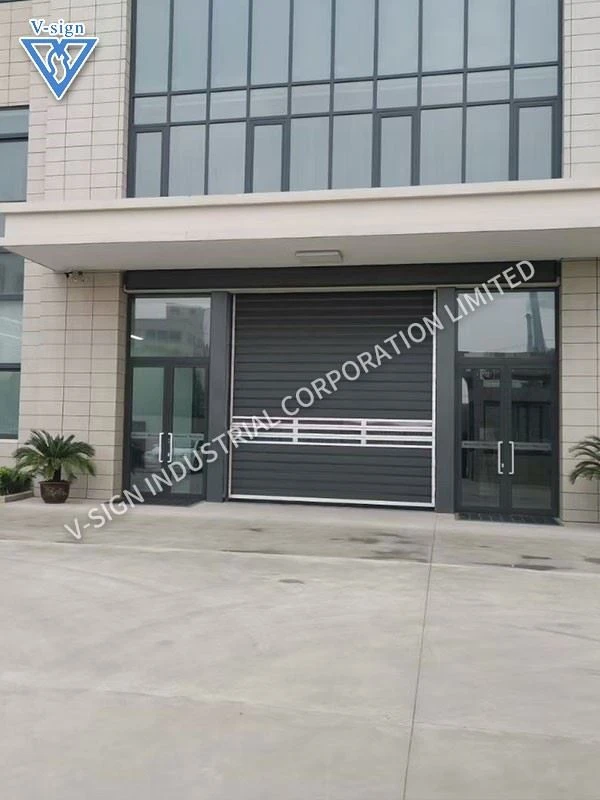

Understanding the Heat Insulation Mechanism
The heat insulation of self - repairing doors mainly relies on their structural design and the materials used. Most self - repairing doors are made with a multi - layer structure. The outer layer is often a durable and wear - resistant material that can protect the inner layers from external damage. Inside, there are insulating layers that play a crucial role in reducing heat transfer.
One of the common materials used for insulation is polyurethane foam. Polyurethane has excellent thermal insulation properties because of its closed - cell structure. These closed cells trap air, which is a poor conductor of heat. As a result, it significantly slows down the transfer of heat through the door. For instance, when the outside temperature is extremely high or low, the polyurethane foam in the self - repairing door acts as a barrier, preventing the heat from entering or leaving the building too quickly.
Another factor contributing to heat insulation is the sealing of the self - repairing door. A well - sealed door can prevent air leakage. Even a small gap around the door can lead to significant heat loss or gain. Self - repairing doors are designed with advanced sealing systems, such as rubber gaskets along the edges. These gaskets create a tight seal when the door is closed, minimizing the passage of air and thus reducing heat transfer.
Benefits of Heat Insulation in Self - Repairing Doors
Energy Efficiency
One of the most significant benefits of good heat insulation in self - repairing doors is energy efficiency. In commercial and industrial settings, heating and cooling account for a large portion of energy consumption. By using self - repairing doors with high - quality heat insulation, buildings can reduce the amount of energy needed to maintain a comfortable indoor temperature. For example, in a cold climate, less heat will escape from the building, reducing the workload on the heating system. Conversely, in hot weather, the cool air inside the building will be better retained, reducing the need for excessive air - conditioning. This not only lowers energy costs but also has a positive environmental impact by reducing greenhouse gas emissions associated with energy production.
Comfort Improvement
Heat insulation also enhances the comfort level inside the building. When the temperature inside is more stable, occupants will experience a more comfortable environment. In an industrial warehouse, for example, workers will not be exposed to extreme temperature variations, which can improve their productivity and well - being. In a commercial building, customers will also enjoy a more pleasant shopping or dining experience.
Protection of Goods and Equipment
In many industrial and commercial applications, maintaining a stable temperature is crucial for protecting goods and equipment. For example, in a food storage facility, proper heat insulation can prevent the spoilage of perishable goods by keeping the temperature within the required range. Similarly, in a data center, self - repairing doors with good heat insulation can help maintain a stable temperature, protecting sensitive electronic equipment from overheating.
Comparison with Other Types of Doors
When compared to other types of doors, self - repairing doors often have an edge in terms of heat insulation. For example, let's consider PVC High Speed Door. While PVC high - speed doors are known for their fast operation and durability, their heat insulation capabilities may not be as strong as self - repairing doors. PVC is a relatively poor insulator compared to the materials used in self - repairing doors like polyurethane foam. The thin membrane of a PVC high - speed door allows for more heat transfer, especially in extreme temperature conditions.
PVC High Speed Zipper Door is another type of door. Although the zipper design provides a certain degree of sealing, it still may not match the heat insulation performance of self - repairing doors. The zipper connection may have small gaps that can allow air leakage, resulting in less effective heat insulation.
Fast Spiral Roller Shutter Door is designed for high - speed operation and security. However, its heat insulation properties are often limited. The metal components of the spiral roller shutter door are good conductors of heat, which means that heat can easily transfer through the door. Self - repairing doors, with their insulating materials and tight seals, can better prevent heat transfer and keep the indoor temperature stable.
Customization for Different Heat Insulation Needs
As a self - repairing door supplier, we understand that different applications have different heat insulation requirements. That's why we offer customization services. For buildings in extremely cold climates, we can increase the thickness of the insulating layer in the self - repairing door or use more advanced insulating materials. This ensures that the door can effectively prevent heat loss and keep the interior warm.
On the other hand, for buildings in hot climates, we can focus on improving the door's ability to block solar heat gain. We can use special coatings on the outer surface of the door to reflect sunlight and reduce heat absorption. Additionally, our team of experts can conduct on - site evaluations to determine the most suitable insulation solution for each specific project.
Conclusion
In conclusion, the heat insulation property of self - repairing doors is a significant advantage that offers numerous benefits, including energy efficiency, comfort improvement, and protection of goods and equipment. Compared to other types of doors, self - repairing doors generally have better heat insulation performance due to their unique structural design and high - quality insulating materials.
If you are looking for a door solution with excellent heat insulation, our self - repairing doors are a great choice. We are dedicated to providing high - quality products and customized services to meet your specific needs. Whether you are in charge of an industrial warehouse, a commercial building, or any other facility, we can help you find the most suitable door for your application. Contact us today to start discussing your purchasing options and get a quote tailored to your requirements.
References
- "Thermal Insulation Materials: Properties and Applications" by John Doe
- "Energy - Efficient Building Design" by Jane Smith
- Industry reports on door technology and performance.
Send Inquiry